AkiyaX Journal
Why Akiya X is different
The foreign buyer does not need another endless wall of Japan property listings. The buyer needs fewer mysteries, better signals, and a clearer path from curiosity to a serious, professional conversation.

The Real Problem
Buying property in Japan in English should not feel like assembling a life decision from fragments.
Many foreign buyers start in the same place: a beautiful old house, a surprisingly low price, a mountain village, a surf town, an onsen area, a quiet city neighborhood, or the fantasy of a base in Japan that finally feels possible. The first click is easy. The serious work begins after that.
The listing is usually only one piece of the decision. A buyer still needs to understand land rights, road access, utilities, renovation risk, taxes, brokerage fees, local rules, hazard exposure, winter maintenance, resale reality, and the professionals who must eventually verify everything. That is where many English-language searches break down.
Akiya X was created for that gap. It is not simply asking, "What houses are for sale?" It is asking the harder and more useful question: "Where can I realistically build a great life in Japan?"

Akiya X
A scored, curated gateway for serious Japan property buyers.
The brand promise is simple: a calmer, clearer way to move from a Japan property dream to a qualified shortlist and a better next question.
Curated, Not Crowded
Volume is not value when the buyer cannot trust the signal.
A long list can look helpful until every listing becomes homework. Is the structure viable? Is the road legal? Is the area attractive beyond the photograph? Does the price hide renovation work, missing utilities, poor access, or risk that should have been obvious earlier?
Akiya X takes the opposite position from raw inventory sites. The catalogue should be smaller, clearer, and more useful. No ruins. No mystery listings. No endless scroll that asks the buyer to become a translator, cartographer, tax researcher, and building inspector before they can even decide what deserves a phone call.
This is especially important in Japan because the cheapest property is often the least explained. Low price can be real, but it can also be a signal of deferred maintenance, difficult access, limited demand, structural uncertainty, or a local process that needs careful professional support. Akiya X keeps the romance of discovery, but it adds discipline before the shortlist.
Curated quality only
Akiya X is not trying to show every cheap house in Japan. Low-scoring or hard-rejected properties never reach the public catalogue.
Proprietary qualification
The Akiya X Score creates a disciplined filter between the buyer and the daydream, turning scattered listings into a ranked, explainable shortlist.
English-first context
Listing details are translated and normalized so buyers can compare layout, land rights, utilities, fees, and local constraints with less guesswork.
Risk in the workflow
Map layers and hazard context help buyers see flood, landslide, snow, terrain, transit, and local signals before emotion takes over.
Cost visibility
Yen and USD pricing, closing-cost estimates, taxes, agent fees, and scrivener context make the real budget easier to discuss early.
Dossier handoff
The Buyer Dossier packages research, scores, notes, and checklists so the buyer can move more cleanly toward qualified local professionals.
Proprietary qualification
The Akiya X Score changes the category.
Most property portals organize listings. Akiya X qualifies them. Every public listing is evaluated through a 100-point system built around the realities that matter most to a foreign buyer: location and lifestyle, property viability, and foreign-buyer readiness.
That scoring discipline matters because Japan property is not one simple market. A coastal cottage, ski-area cabin, restored minka, city base, and inherited rural house can all be listed as opportunities, but the buyer risks are different. Akiya X makes the comparison more legible before the buyer falls in love.
40%
Location and lifestyle
Akiya X looks at the life around the property: regional appeal, access, hazards, amenities, geocode confidence, and whether the setting supports the buyer story.
35%
Property viability
The score weighs rebuildability, land rights, zoning, age, structure, renovation signals, usable features, and the practical reality behind the listing photos.
25%
Foreign-buyer readiness
A strong listing must be understandable and actionable for a global buyer: legal clarity, utilities, English data, transaction context, and complete listing information.
The result is closer to a property qualification engine than a directory. Signature and Approved listings are not just pretty cards. They are scored entries with visible reasons, caveats, and context.
A Better Buyer Experience
The strongest UX is not decoration. It is the right facts arriving in the right order.
Japan property research is full of small frictions that become large ones: switching between language tools, map tabs, fee calculators, hazard references, agent notes, saved screenshots, and half-translated listing details. The buyer may still be excited, but the process becomes slow and brittle.
Akiya X brings the critical experience into one website. The search starts with lifestyle categories and scored properties, then adds the context serious buyers need: map layers, translated listing information, yen and USD price context, estimated closing costs, local risk signals, shortlist discipline, and the path toward a dossier.
That is why the interface matters. Good design does not simply make Japan property feel more premium. It reduces the number of moments where a foreign buyer has to guess, pause, reopen a spreadsheet, or ask a professional an unfocused question.
The Akiya X workflow
Discover
Start with scored lifestyle categories: beach, mountain, onsen, ski, lake, heritage, countryside, resort, and urban settings.
Qualify
Use the Akiya X Score, visible caveats, map layers, and cost context to decide whether a property deserves serious attention.
Compare
Build a shortlist around use case, risk, access, renovation reality, and professional questions, not just price or beauty.
Hand off
Turn research into a structured Buyer Dossier for conversations with agents, scriveners, lawyers, inspectors, and local specialists.
Built From The Buyer Side
Akiya X exists because the founder needed it first.
The best product stories usually begin with a frustration that would not go away. Akiya X was created by a founder who was also looking for property in Japan in English and could not find a website that carried the search far enough. There were listings. There was inspiration. There were fragments of useful information. But there was not a single, disciplined system that helped a foreign buyer move from "I love this place" to "I know what must be verified next."
That perspective shapes the product. Akiya X is not trying to become another opaque middleman. It is trying to automate the homework: translate the basic facts, organize the risks, score the opportunity, estimate the cost context, and help the buyer arrive at a sharper professional conversation.
Founder perspective
“I didn’t build Akiya X to be another real estate middleman. I built it to give you the transparency, data, and scoring discipline I needed when I was in your shoes.”
The Last Mile
The difference is what happens after a property looks promising.
A foreign buyer rarely fails because they cannot find a house. They fail because the next step is unclear. Who should check title? What should the scrivener confirm? Which risk needs an inspector? Which local rule affects renovation, short-term rental, road access, or daily ownership? Which question belongs to an agent, and which belongs to a lawyer, architect, or municipal office?
The Buyer Dossier is Akiya X's answer to that last-mile problem. It packages listing facts, score context, buyer notes, and professional checklists into a cleaner handoff. It does not replace qualified local professionals. It helps the buyer arrive prepared enough to use those professionals well.
That is why Akiya X can feel faster for serious customers. Not because Japan property should be rushed, but because confusion should be removed early. A clearer shortlist, a scoring system, a better interface, and a dossier-ready workflow help buyers spend less time sorting spam and more time asking the questions that move a dream home in Japan toward reality.
A better search begins with a better filter.
Akiya X is different because it does not treat every listing as equal and every buyer as already prepared. It gives English-speaking buyers a curated, scored, practical way to understand Japan property before the stakes get expensive.
Browse for the dream, but qualify for the life around it. That is the Akiya X way: clear scores, clear costs, clear risks, and a cleaner path to the legal finish line.
Sources and further reading
- About AkiyaX: scored Japan real estate in English
- AkiyaX: browse scored Japan real estate
- The Japan Property Buyer Question Guide
- Is Buying an Akiya or Japan Property Right for You?
This article is general information about the Akiya X platform and Japan property research. It is not legal, tax, immigration, financial, real estate brokerage, or building advice. Always consult qualified local professionals before buying property.
Recommended Next
Keep reading with context
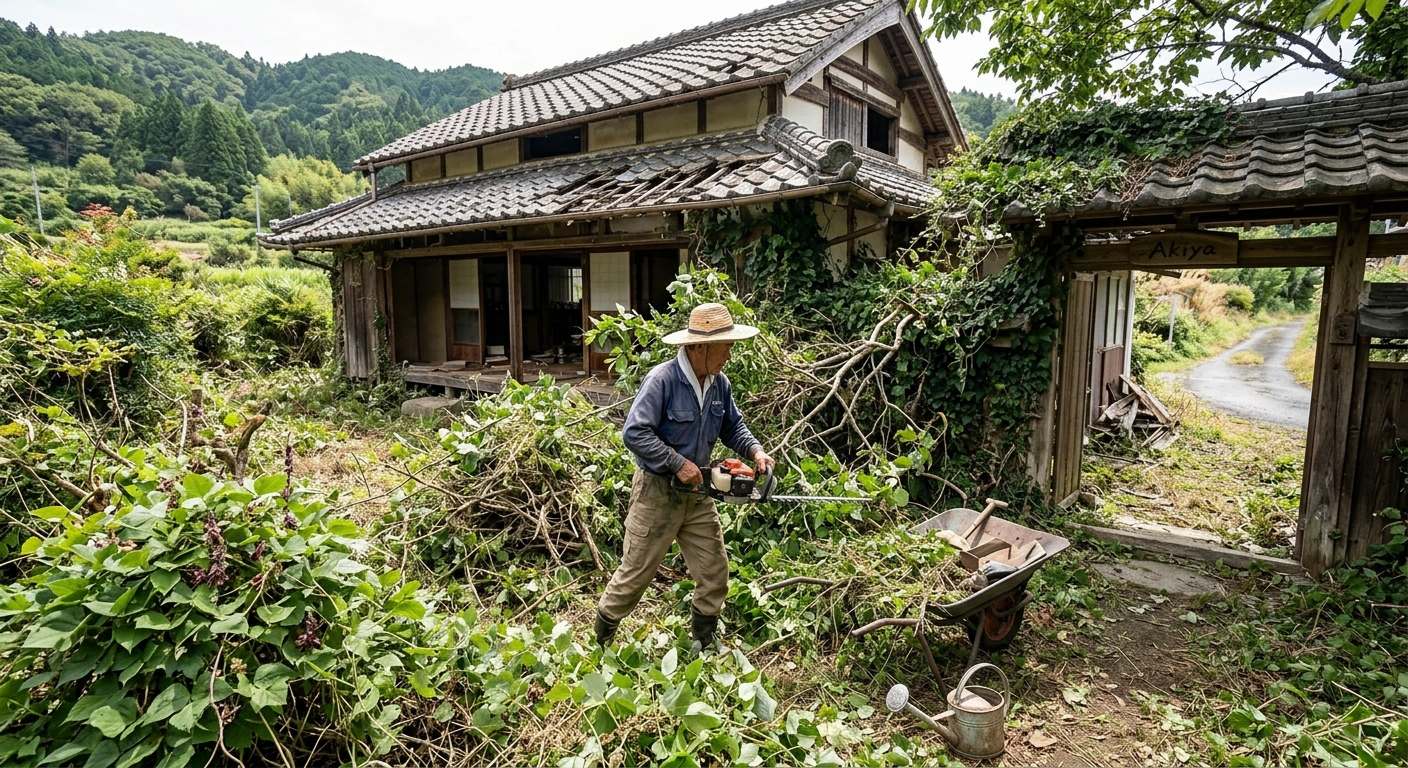 Buyer types
What Kind of Japan Property Buyer Are You?
A practical guide to choosing your buyer lens before you compare Akiya X scored properties: second home, renovation project, or investment property.
Read next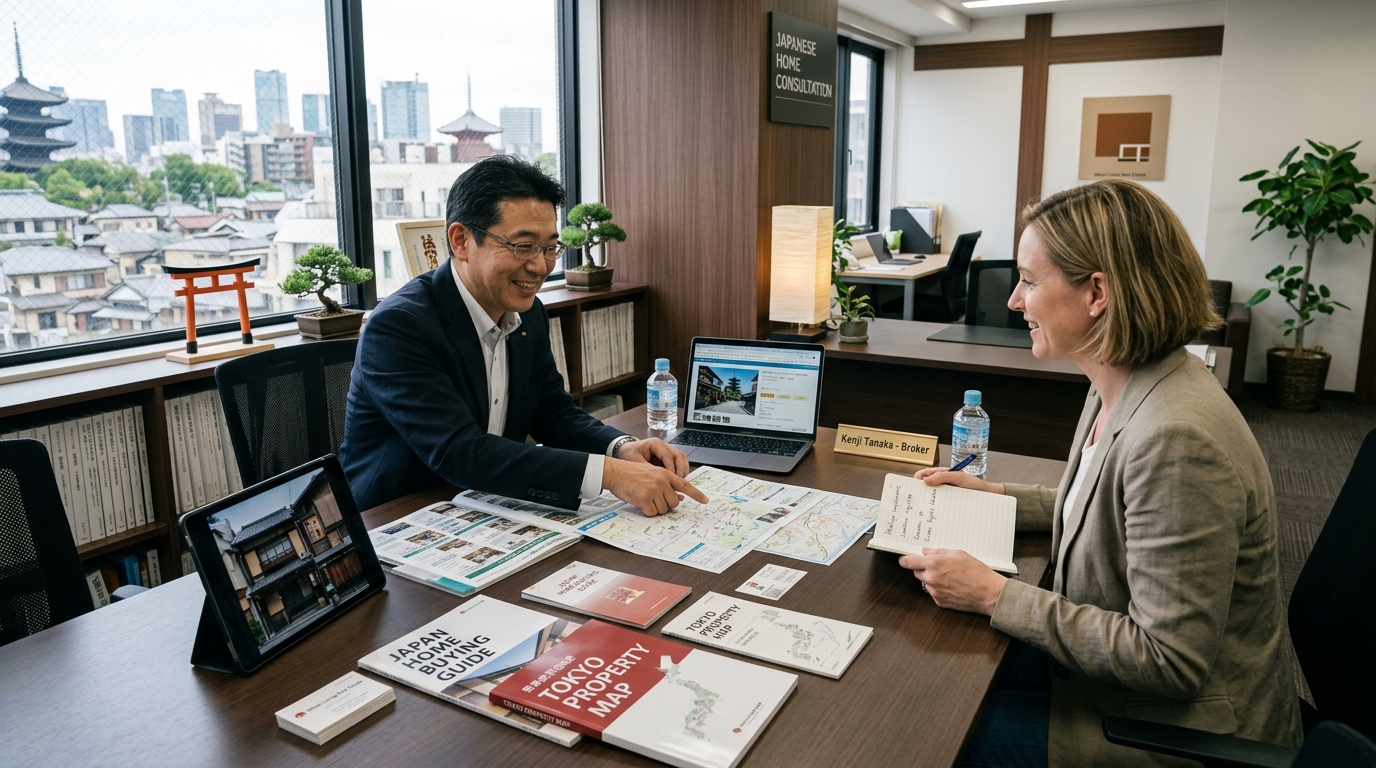 New guide
The Japan Property Buyer Question Guide
A comprehensive map of the questions foreign buyers should ask before buying, renovating, inheriting, or renting out a scored home in Japan.
Read next