AkiyaX Journal
What kind of Japan property buyer are you?
The right akiya or second home is not only a question of price, beauty, or location. It is a question of use. A second-home buyer, a renovation buyer, and an investment buyer can look at the same house and be making three completely different decisions.
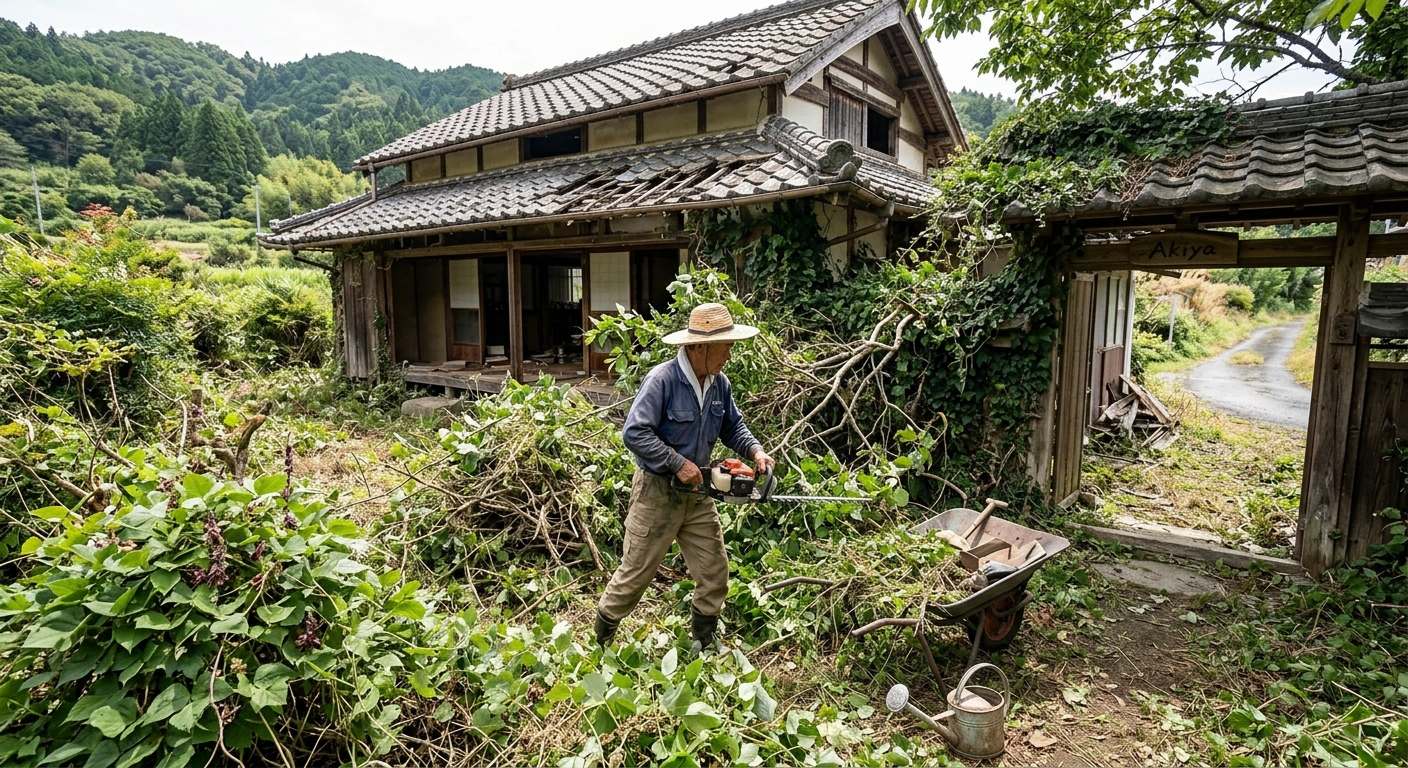
Start With Use
Before you ask what to buy, ask what the property must do for you.
Many buyers begin with the listing: the low price, the old beams, the mountain view, the walk to the beach, the dream of a house in Japan finally becoming possible. That excitement is useful. It gets you moving. But it is not enough to protect you.
The stronger question is not "Is this property good?" A property can be good for one buyer and wrong for another. A charming house two hours from the nearest airport may be perfect for a slow renovation, exhausting as a weekend base, and useless as a rental investment. A ski-area apartment may be practical for family holidays but fragile as a year-round income plan. A cheap rural house may be emotionally irresistible and financially irrational at the same time.
Buyer type gives you discipline. It tells you which facts matter first, which risks deserve money, and which compromises are acceptable. If you know your use case early, you can search with sharper eyes and walk away from beautiful mismatches sooner.
The three buyer types
These categories are not identities forever. You may be mostly one type with a little of another. But when priorities conflict, choose one primary lens. The house cannot optimize for every dream at once.
The second-home buyer
Best fit: Best for buyers who will return often, know the region, and value lifestyle utility more than financial optimization.
Be careful: Watch for travel friction, empty-house maintenance, winterization, storm checks, and the quiet cost of owning a place you rarely use.
The renovation buyer
Best fit: Best for buyers who enjoy process, can fund surprises, and have patient local help before the first wall is opened.
Be careful: Watch for unavailable contractors, hidden structural damage, seismic upgrades, rooflines, utilities, permits, and budget drift.
The investment buyer
Best fit: Best only when the rental thesis survives local rules, demand testing, management costs, taxes, seasonality, and conservative occupancy math.
Be careful: Watch for minpaku restrictions, cleaning logistics, neighborhood acceptance, weak weekday demand, and low prices that hide weak exits.
The Second-Home Buyer
You are buying a repeatable rhythm, not a postcard.
The second-home buyer wants a reliable base for holidays, remote work, ski seasons, surf trips, food pilgrimages, family time, or a long relationship with one part of Japan. This is often the healthiest buyer profile because the value is personal and durable. The house does not need to beat the stock market. It needs to make your life larger in a way you will actually use.
Access is the first test. A property that looks close on a map can become difficult after an international flight, a train transfer, a rental car counter, a mountain road, and a late-night arrival with children. If you imagine frequent use, measure the whole journey from your front door to the futon. Count winter roads, last trains, airport options, parking, luggage, and the friction of arriving when local shops are closed.
Comfort matters more than many romantic buyers admit. A beautiful old house can be cold, damp, dark, hard to heat, short on storage, light on insulation, or inconvenient for elderly parents and young children. The second-home buyer should budget early for the upgrades that turn admiration into repeated use: heating and cooling, reliable hot water, good bedding, internet, kitchen basics, weatherproofing, safe stairs, parking, and simple arrival routines.
Absence is the hidden owner. Every second home spends most of its life without you. Japan's climate is not passive: humidity, mold, insects, weeds, snow, typhoons, roof leaks, frozen pipes, and mail all keep moving when you are not there. A second home works best when you can name the person who opens windows, checks after storms, cuts back growth, notices water stains, forwards notices, and can meet a repairperson.
Second-home buyer checklist
Can you reach the property without turning every visit into a logistical project?
Will you use it in more than one season, or is the dream concentrated into a few peak weeks?
Who checks ventilation, leaks, weeds, mail, insects, snow, typhoon damage, and frozen pipes when you are away?
Does the house need comfort upgrades before your family will actually enjoy using it?
Would you still choose this town after the novelty of ownership fades?
The Renovation Buyer
You are buying a project, a team, and a tolerance for discovery.
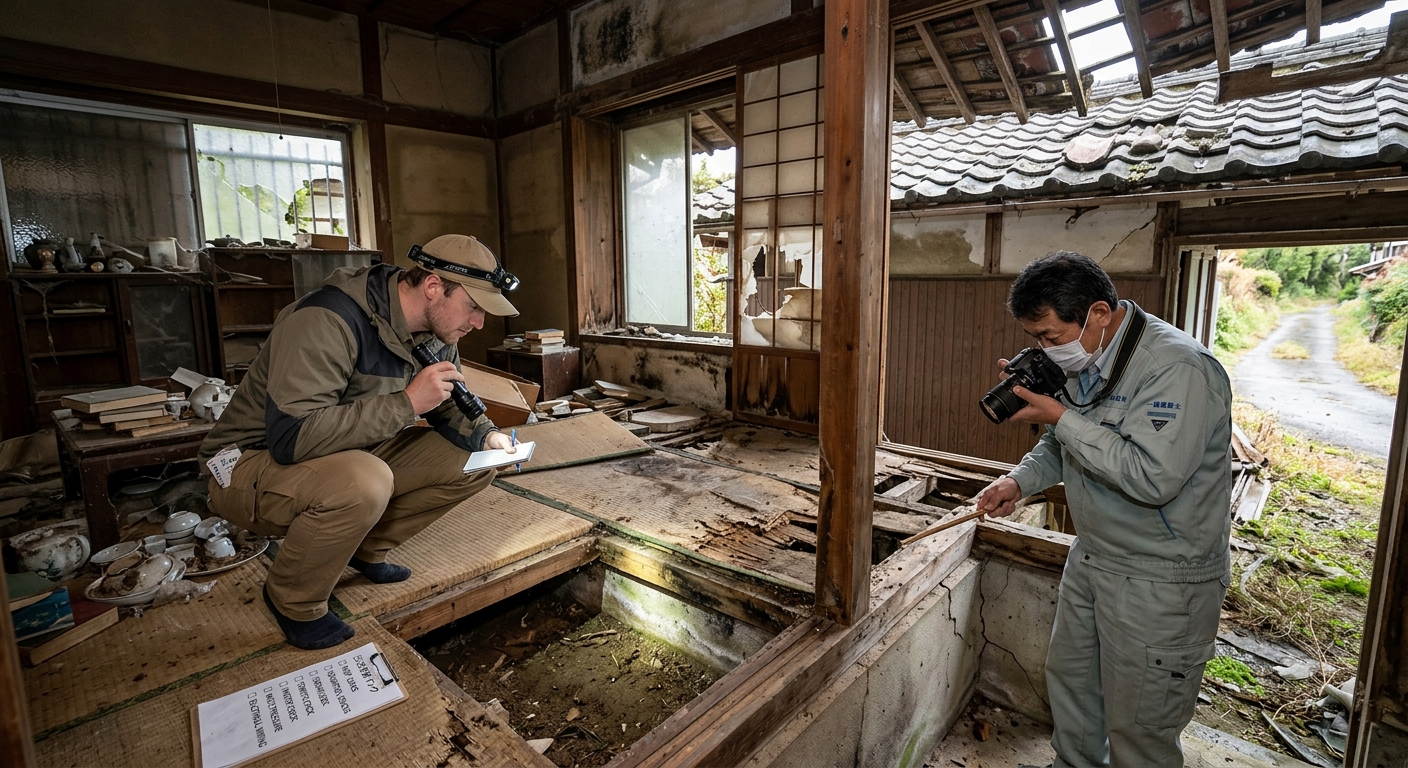
The renovation buyer enjoys process as much as outcome. You may be drawn to an old minka, a machiya, a farmhouse, or a small house with enough original character to justify the effort. This can be deeply rewarding. It can also become expensive, slow, and lonely if you mistake a listing photo for a construction plan.
The most important asset is not the building. It is the contractor network. In many rural and resort areas, skilled tradespeople are busy, aging, selective, or reluctant to take on remote owners with unclear budgets. Before you buy a major project, you need some evidence that qualified people can inspect it, price it, reach it, and work on it in the season you expect.
Old houses reveal themselves in layers. What looks like a cosmetic renovation can become roof repair, termite treatment, foundation work, drainage, electrical upgrades, plumbing replacement, septic changes, insulation, window replacement, structural reinforcement, or seismic review. Japan's major earthquake-resistance standards changed in 1981, and later standards matter too. Age does not automatically mean unsafe, but it does mean you should ask better questions before you price finishes.
Remote renovation requires decision-making architecture. Someone must be able to approve materials, translate estimates, photograph problems, challenge vague scopes, pay invoices, check work, and choose what to do when the crew finds rot under the floor. If every surprise requires you to fly in, the project will teach you its own exchange rate between money, time, language, and stress.
Good renovation candidates
The best candidates have a clear reason to exist after renovation: strong location, repairable structure, access to trades, manageable scope, utility path, and a buyer who can afford the boring work before the beautiful work.
Dangerous renovation candidates
Be wary of houses where the land is better than the building, access is poor, the roof has failed, water has sat for years, boundaries are unclear, or no contractor will give even a rough path before purchase.
Renovation buyer checklist
Have a contractor, architect, inspector, or builder looked at the structure before you price the dream?
Can you tolerate a timeline measured in seasons, not weekends?
Have you budgeted for roof, foundation, termites, water damage, utilities, drainage, insulation, and seismic work before finishes?
Can someone bilingual and local make decisions when a crew finds a problem behind a wall?
Would you still want the property if the renovation costs more than resale value supports?
The Investment Buyer
You should be the most cautious buyer in the room.
Investment buyers are often attracted to Japan by low acquisition prices. That is understandable, but price is not a strategy. A cheap property in a weak rental market is not a bargain. It is a small asset with large questions. If the plan depends on income, the rental rules and operating reality matter more than the listing price.
Short-term rental use can be especially complex. Japan's private lodging framework, often discussed as minpaku, includes notification, operational limits, and local overlays. Municipalities and districts can add restrictions that change the business case sharply. In some places, the difference between legal, restricted, and impractical is not obvious from a listing page. Confirm the rules before you model revenue.
Demand also needs proof. Tourist appeal is not the same as bookable demand. Ask who stays there, why they choose that town, how they arrive, what they pay outside peak weeks, how many nights are realistic, and what competing hotels, ryokan, pensions, cabins, and private stays already offer. Ski, surf, beach, festival, foliage, and onsen demand can be real, but seasonality can make annual numbers fragile.
Management is where many optimistic spreadsheets fail. Remote owners need cleaning, linen, guest messaging, check-in, emergency repairs, trash handling, snow clearing, utility management, pest control, tax handling, licensing support, and someone who can protect the neighbor relationship. A house that rents well on paper may produce little after management fees, platform fees, consumption patterns, vacancy, maintenance, and conservative tax planning.
The investment test
If the property would be a poor purchase without rental income, do not buy until the income case has been verified by local rules, local operators, conservative costs, and demand evidence. Hope is not underwriting.
Investment buyer checklist
Do local rules allow the rental use you are modeling, including minpaku, hotel licensing, zoning, and municipal restrictions?
Is there proven demand beyond holidays, ski weeks, festivals, or cherry blossom season?
Have you modeled management, cleaning, linen, repairs, utilities, platform fees, taxes, insurance, and vacancy?
Will neighbors, parking, trash collection, noise rules, and guest behavior create local friction?
If short-term rental income is denied, delayed, or underperforms, does the property still make sense?
The Mismatch Problem
The wrong buyer can ruin the right house.
Many bad purchases are not scams, legal traps, or disasters. They are mismatches. A buyer wants an effortless family base but buys a damp renovation. A buyer wants income but chooses a village with no manager and no weekday demand. A buyer wants design satisfaction but lacks the time, language support, or budget to manage trades.
The solution is not pessimism. It is honesty. Name the primary use case and let it reject properties for you. A second-home buyer should pay more for access and ease. A renovation buyer should pay for inspectable potential and team availability. An investment buyer should pay for legal use, demand, operations, and a defensible exit.
Before You Shortlist
A decision checklist for every buyer type
Time: How often will you be in Japan, and who acts when you are not?
Money: Can you carry purchase costs, repairs, taxes, utilities, travel, and a contingency without rental income?
Local help: Do you have an agent, inspector, contractor, translator, manager, or trusted neighbor before you need them?
Risk tolerance: Are you calm around old buildings, untranslated documents, local rules, weather, and slow timelines?
Exit plan: If life changes, can you rent, sell, hold, or gift the property without panic?
So, which buyer are you?
If you are a second-home buyer, search for repeatable joy and easy return. If you are a renovation buyer, search for a feasible project and a real team. If you are an investment buyer, search for verified income conditions, not just a low entry price.
AkiyaX is built for this earlier, clearer stage of the journey: browsing scored Japan homes in English, comparing lifestyle regions, noticing risk layers, and turning attraction into better questions before you commit time, money, and emotion.
Sources and further reading
- Japan Tourism Agency: Private Lodging Business Act overview
- Japanese Law Translation: Private Lodging Business Act
- Tokyo Metropolitan Government: real estate tax guide
- Statistics Bureau of Japan: 2023 Housing and Land Survey
This article is general information, not legal, tax, immigration, financial, rental, or building advice. Always consult qualified local professionals before buying property or planning rental use.